


Wissen
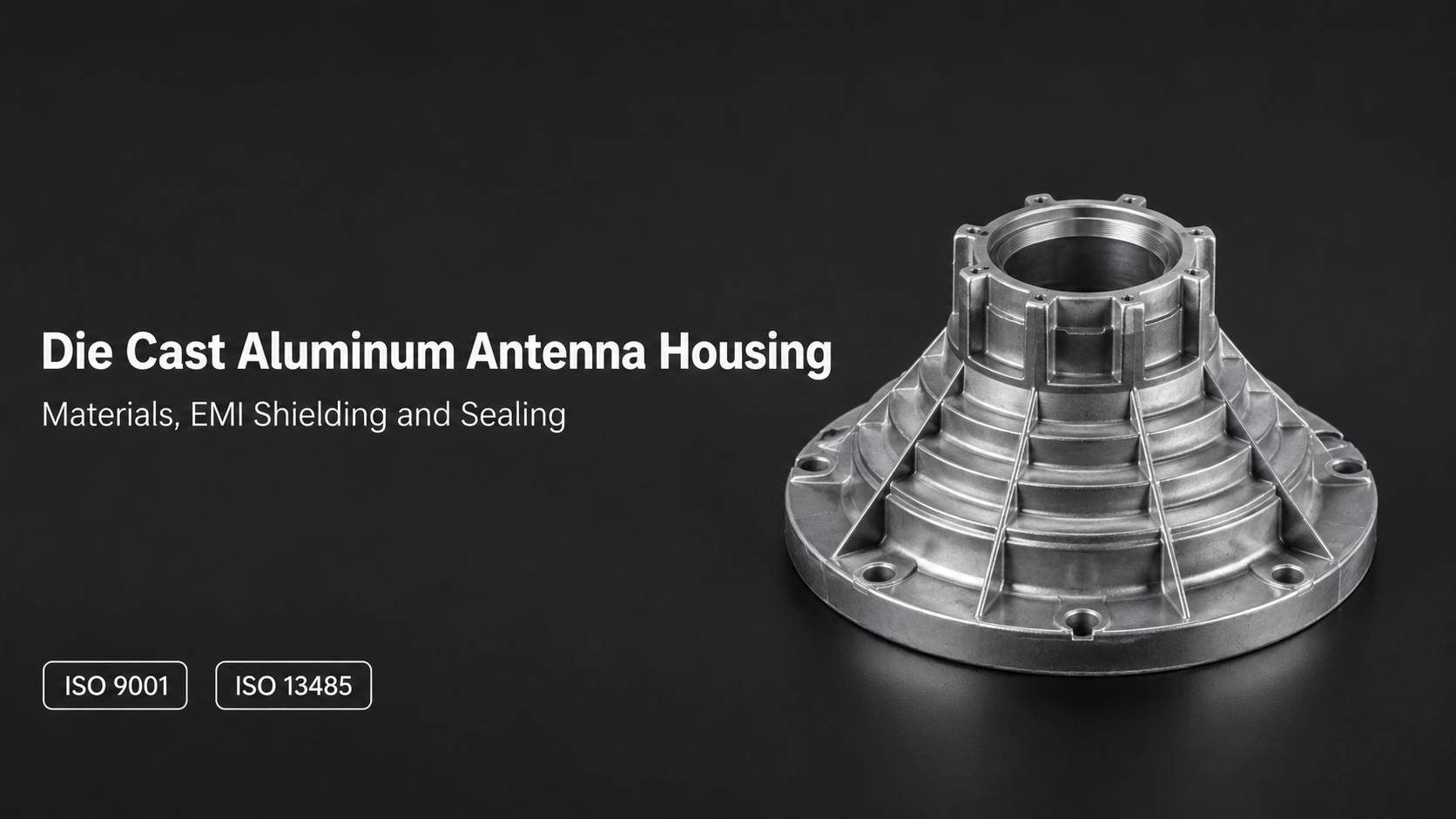
Die Cast Aluminum Antenna Housing: Materials, EMI Shielding and Sealing
A communication antenna housing has to do three jobs at once: shield sensitive electronics from electromagnetic interference, keep out water and dust in an outdoor environment, and dissipate the heat generated by active radio components — all within a single die cast aluminum part. This article explains why aluminum die casting is the standard choice for antenna and base station housings, how EMI shielding and IP-rated sealing are achieved, and what wall thickness and material considerations affect the finished part.
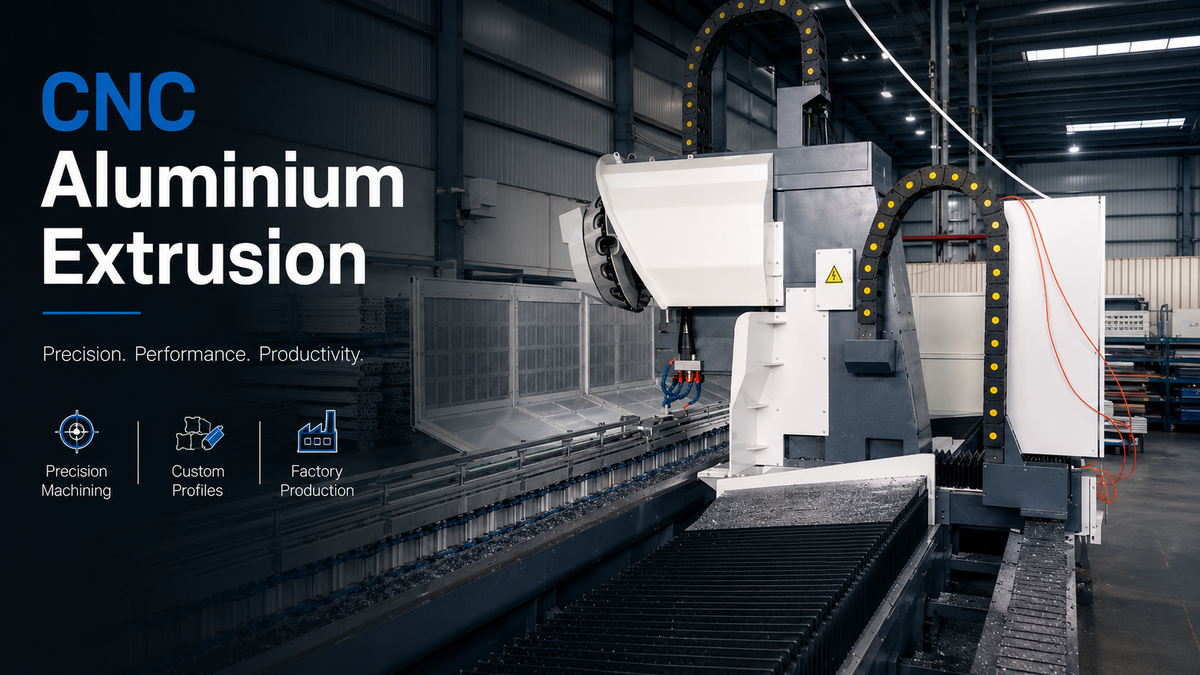
CNC Aluminium Extrusion Guide For Custom Industrial Parts
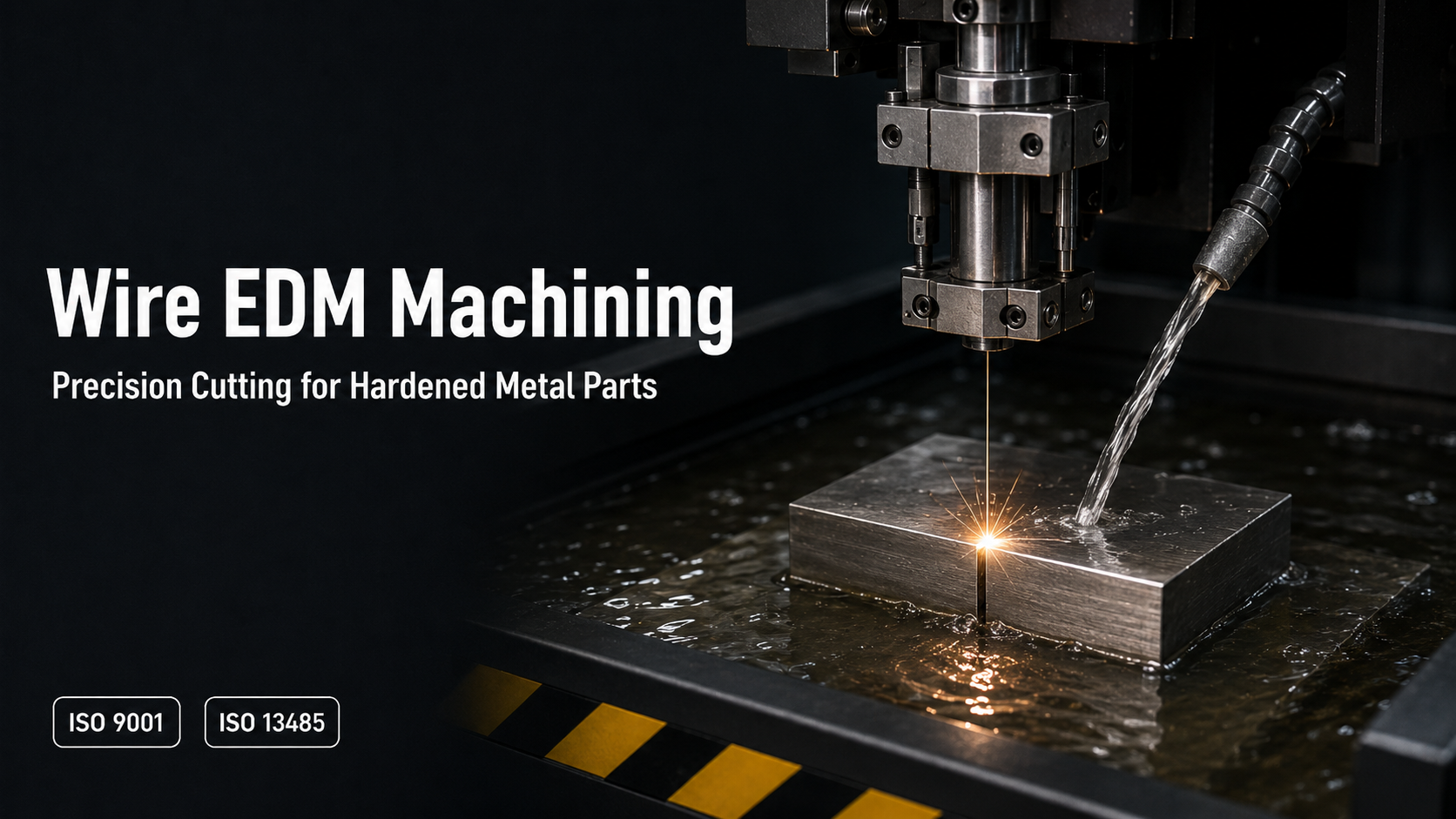
Wire EDM Machining: Precision Cutting for Hardened Metal Parts
Wire EDM cuts through hardened metal with a continuously fed wire electrode instead of a rotating cutting tool, making it possible to machine features and materials that CNC milling can't reach — narrow slots, sharp internal corners, and hardened tool steel after heat treatment. This article explains how wire EDM works, what tolerances and finishes it can achieve, and when it's the right process for a part CNC machining alone can't complete.
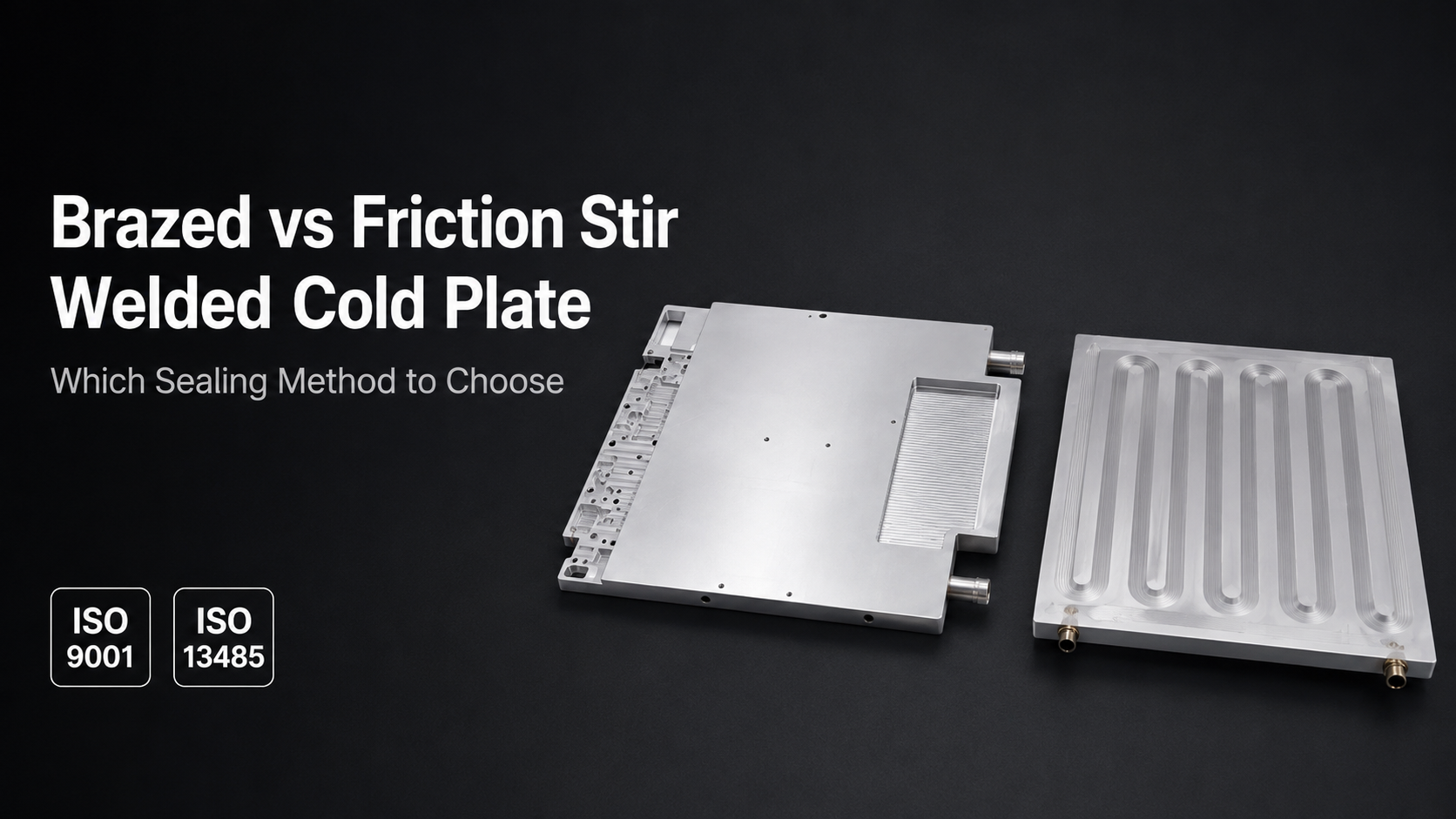
Brazed vs Friction Stir Welded Cold Plate: Which Sealing Method to Choose
Brazing and friction stir welding (FSW) are the two dominant methods for sealing the channel-and-cover structure of a liquid cold plate, and the choice affects burst pressure, long-term leak reliability, and design flexibility in different ways. This article compares how each method performs under pressure and thermal cycling, what channel geometries each supports, and which applications favor one method over the other.
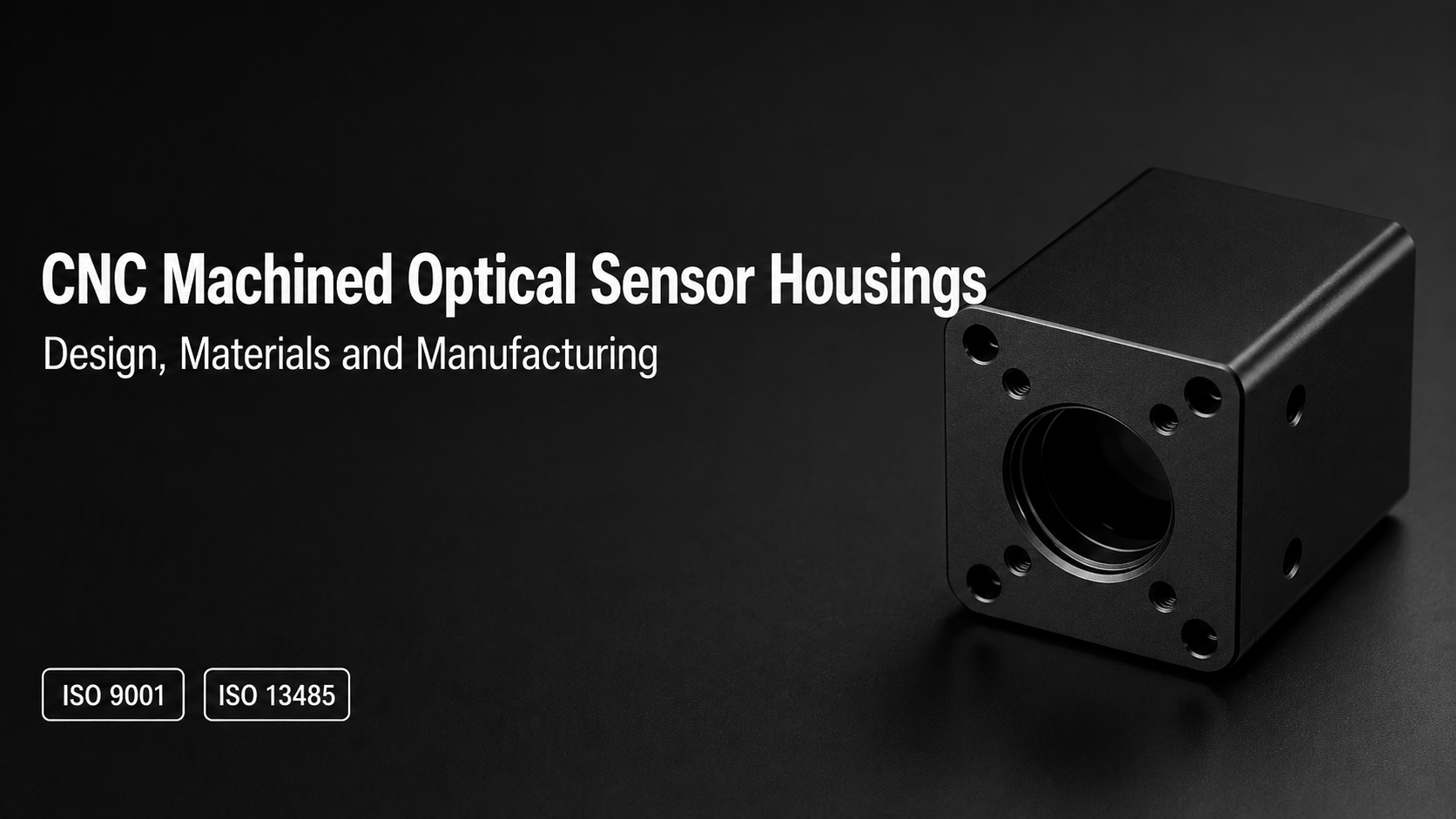
CNC Machined Optical Sensor Housing: Design, Materials and Manufacturing
An optical sensor housing does more than hold a sensor in place — it must align the sensor's active area to the optical path, manage heat generated behind the sensor, shield sensitive circuitry from EMI, and often seal against dust and moisture, all within a compact envelope. This article explains what distinguishes sensor housings from general optical housings, the tolerance, thermal, and EMI requirements involved, and the material and machining choices that determine whether a housing performs reliably in the field.
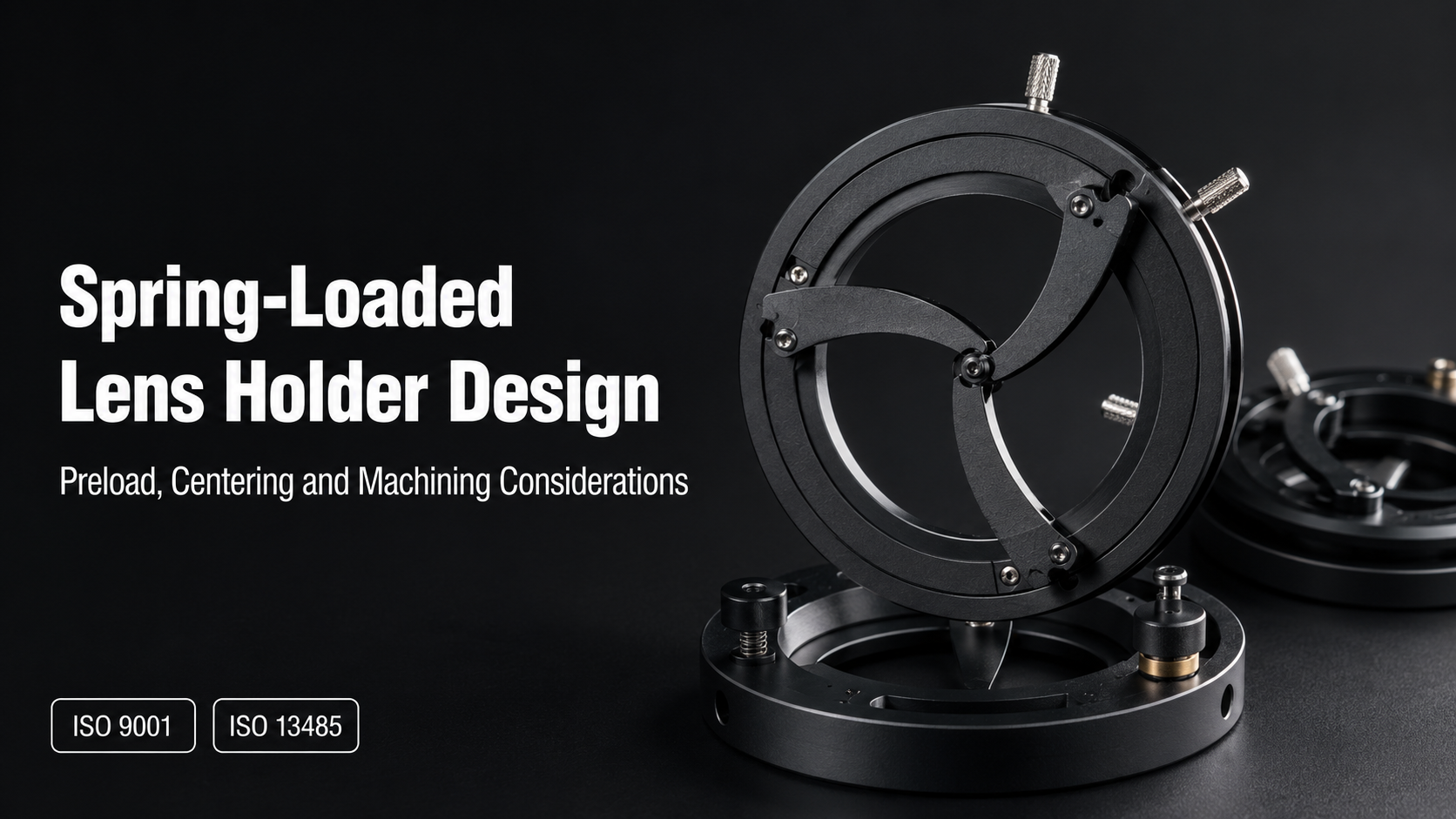
Spring-Loaded Lens Holder Design: Preload, Centering and Machining Considerations
Rigid lens holders can lose contact with the optic — or overstress it — once thermal expansion and manufacturing tolerances stack up across an assembly. Spring-loaded lens holders solve this by applying a controlled preload force that keeps the lens seated and centered across temperature changes and vibration. This article explains common preload mechanisms, how preload force affects centering and wavefront error, and the machining considerations that go into producing spring-loaded lens holders.
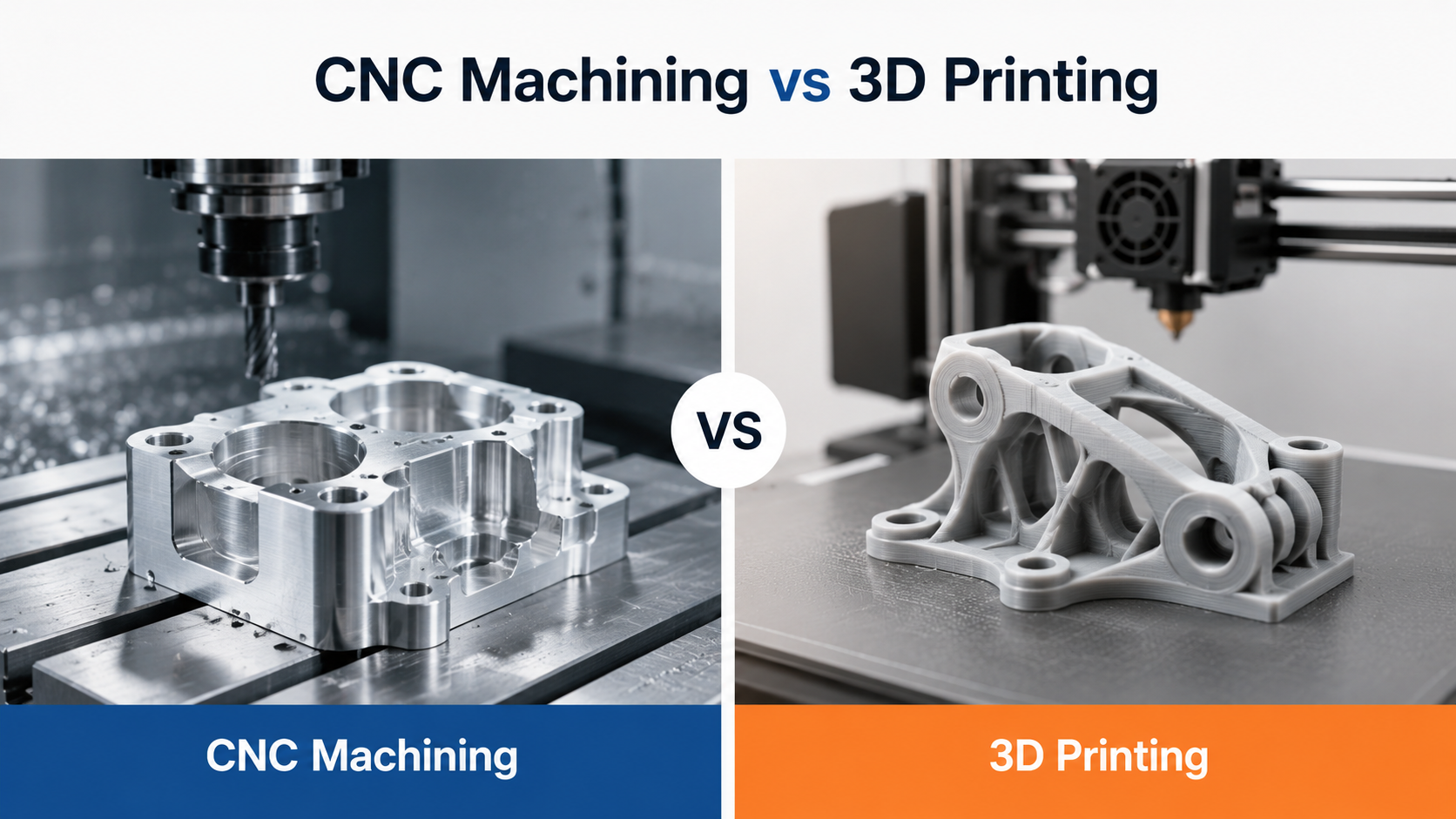
CNC Machining vs 3D Printing for Custom Parts
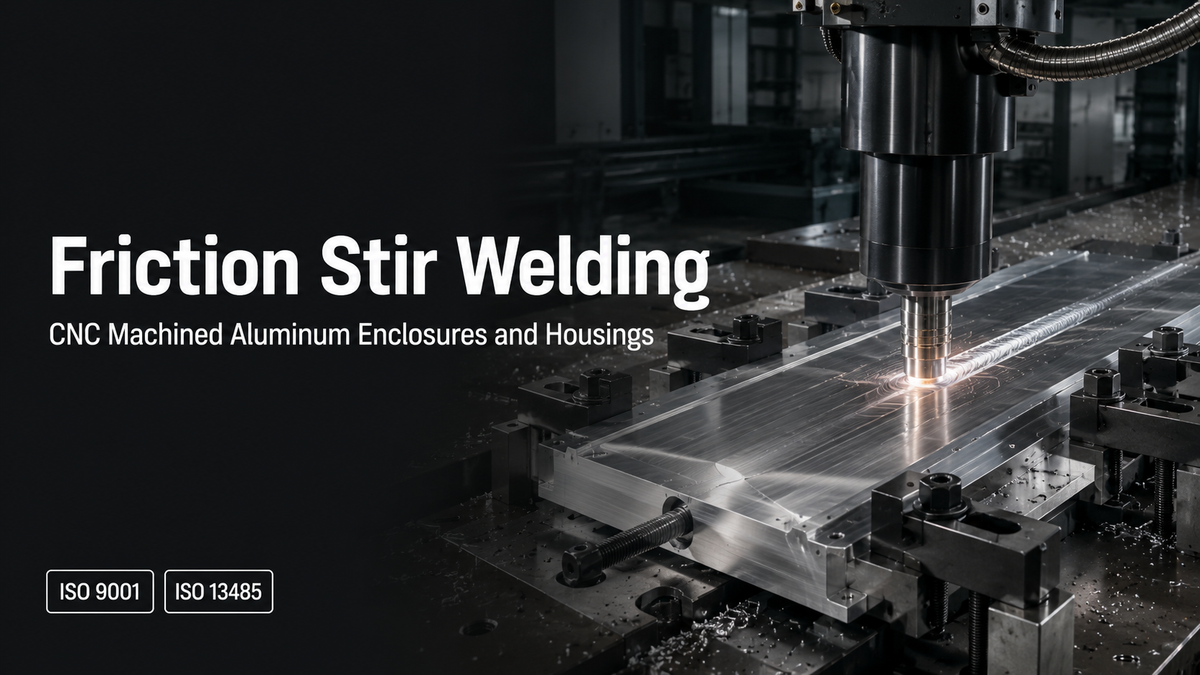
Rührreibschweißen: CNC-gefräste Aluminiumgehäuse und -gehäuse
Das Rührreibschweißen (Friction Stir Welding, FSW) verbindet Aluminiumkomponenten im festen Zustand, wodurch das Schmelzen, die Porosität und die Verformung vermieden werden, die beim Schmelzschweißen häufig auftreten. Bei XY-Global wird FSW zusammen mit der CNC-Bearbeitung im eigenen Haus durchgeführt, wodurch versiegelte Aluminiumgehäuse und -schalen in einem einzigen kontrollierten Arbeitsablauf geschweißt und fertig bearbeitet werden können. Dieser Artikel erklärt, wie FSW funktioniert, für welche Aluminiumsorten und Verbindungsarten es geeignet ist und wie die Kombination mit CNC-Bearbeitung die Maßhaltigkeit für versiegelte, hochintegrierte Teile verbessert.
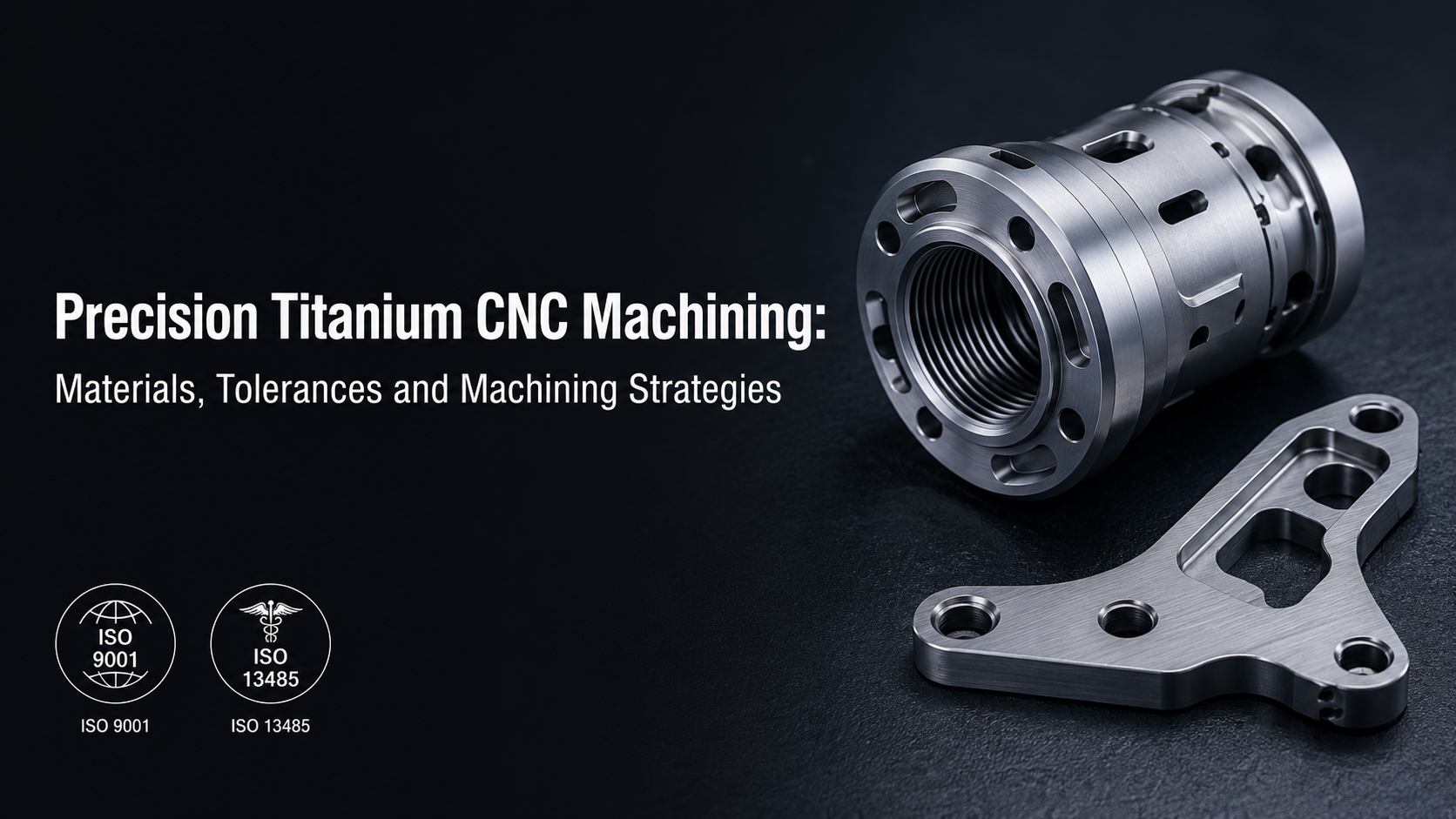
Präzisions-CNC-Bearbeitung von Titan: Werkstoffe, Toleranzen und Bearbeitungsstrategien
Titan bietet eine Kombination von Eigenschaften – hohes Verhältnis von Festigkeit zu Gewicht, geringe Wärmeausdehnung, ausgezeichnete Korrosionsbeständigkeit und Biokompatibilität –, die es zum Material der Wahl für anspruchsvolle Anwendungen in medizinischen Geräten, Luft- und Raumfahrtsystemen, optischen Instrumenten und präzisen Industrieanlagen macht. Dieselben Eigenschaften machen Titan jedoch erheblich schwieriger zu bearbeiten als Aluminium oder Stahl. Die Erzielung enger Toleranzen und einer guten Oberflächengüte bei Titan erfordert spezifische Werkzeuge, Schneidstrategien, Kühlmittelmanagement und Prozesskenntnisse, die sich erheblich von der Standard-CNC-Bearbeitungspraxis unterscheiden. Dieser Artikel erklärt, was Präzisions-Titan-CNC-Bearbeitung beinhaltet, warum Titan einzigartige Prozessherausforderungen darstellt, welche Legierungen am häufigsten verwendet werden und worauf bei der Auswahl eines Bearbeitungslieferanten für Titankomponenten zu achten ist.