


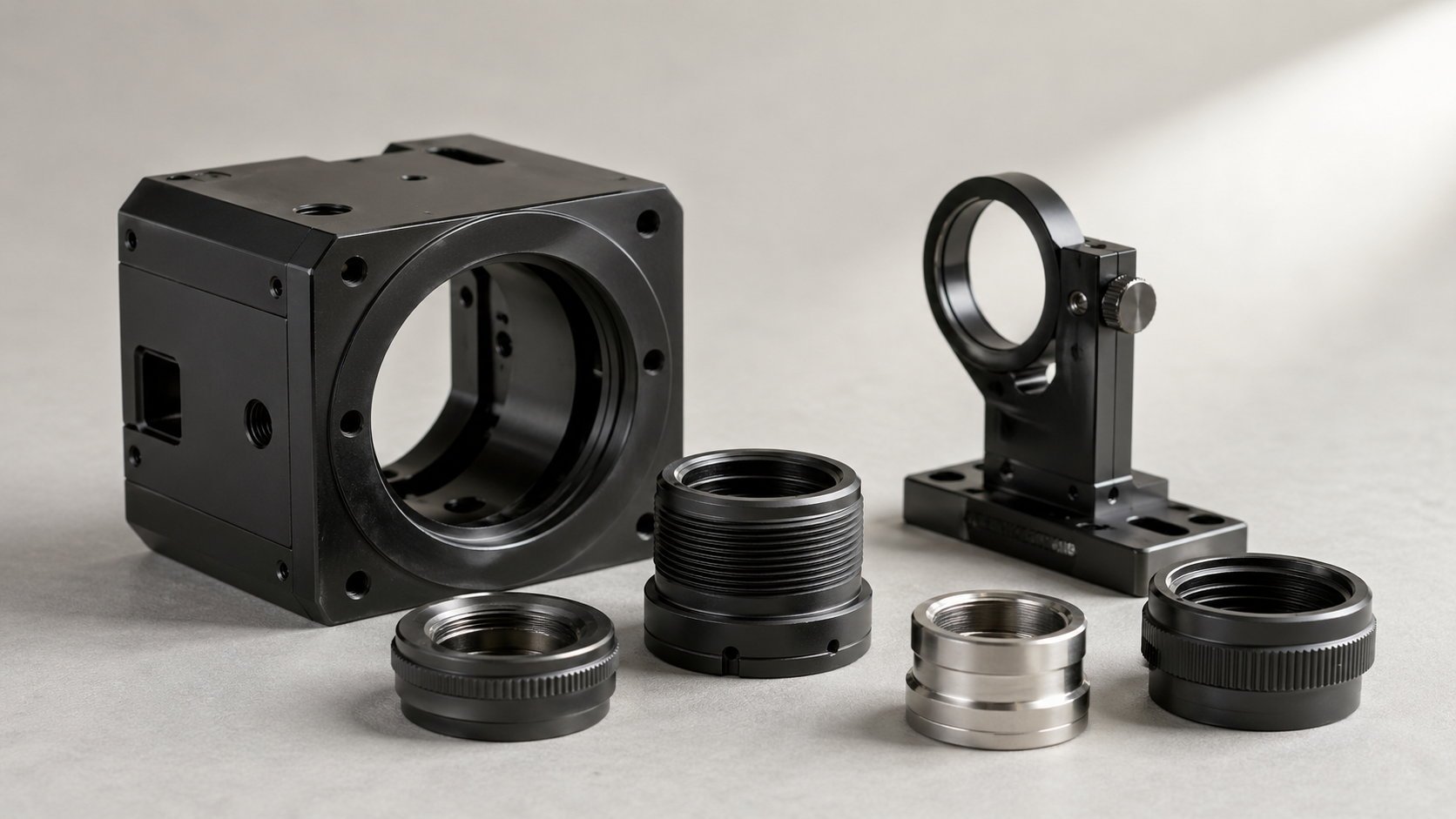
Bei der Oberflächenbeschaffenheit geht es nicht nur um das Aussehen. Bei CNC-gefertigten Teilen kann sie beeinflussen, wie ein Teil passt, gleitet, dichtet, verschleißt und unter realen Arbeitsbedingungen funktioniert.
In Branchen wie Medizintechnik, optische Geräte, Automobilsysteme, Robotik, Elektronik und Präzisionsinstrumente kann ein kleines Oberflächenproblem Montageprobleme verursachen oder die Lebensdauer verkürzen.
Bei XY-GLOBAL fertigen wir kundenspezifische CNC-gefräste Teile mit kontrollierten Anforderungen an die Oberflächengüte, einschließlich maschinell bearbeiteter Oberflächen, Glasperlstrahlen, Eloxieren, Polieren, Passivieren, Beschichten und anderer Veredelungsoptionen basierend auf Kundenzeichnungen und Anwendungsanforderungen.

Was ist Oberflächengüte beim CNC-Bearbeiten?
Oberflächengüte bezieht sich auf die Textur einer bearbeiteten Oberfläche nach dem Schneiden, Schleifen, Polieren oder der Nachbearbeitung. Sie wird üblicherweise durch Rauheitswerte wie Ra und Rz gemessen.
Ra bedeutet arithmetischer Mittelwert der Rauheit. Er gibt einen allgemeinen Wert dafür an, wie glatt oder rau die Oberfläche ist.
Rz misst die durchschnittliche Höhendifferenz zwischen Spitzen und Tälern über eine Probenlänge. Es kann tiefere Bearbeitungsspuren oder Oberflächenunregelmäßigkeiten aufzeigen, die Ra möglicherweise nicht vollständig beschreibt.
Für CNC-gefräste Teile sollte die Oberflächengüte als technische Anforderung behandelt werden, nicht nur als kosmetisches Detail. Die richtige Oberflächengüte hängt von der Funktion der Oberfläche ab.
Eine Gleitfläche, Dichtfläche, sichtbare kosmetische Oberfläche und Beschichtungsfläche benötigen möglicherweise alle unterschiedliche Anforderungen an die Oberflächengüte.
Gängige Oberflächenbearbeitungsoptionen für CNC-Teile
Die folgende Tabelle zeigt typische Oberflächenbearbeitungsoptionen, die für CNC-gefertigte Teile verwendet werden. Diese Werte sind nur Referenzbereiche. Die Endergebnisse hängen von Material, Geometrie, Schneidverfahren, Werkzeug, Nachbearbeitung und Inspektionsmethode ab.
| Art der Oberflächenbearbeitung | Typischer Oberflächenzustand | Häufige Verwendung |
|---|---|---|
| Unbearbeitet | Sichtbare Bearbeitungsspuren; oft um Ra 3,2–1,6 μm, je nach Prozess | Innenmerkmale, nicht-kosmetische Teile, Funktionsprototypen |
| Feinbearbeitung | Glattere Werkzeugbahn; Ra 1,6–0,8 μm besprechbar | Montageflächen, Präzisionsgehäuse, optisch-mechanische Teile |
| Schleifen | Kontrolliertere Oberfläche; Ra 0,8–0,2 μm möglich | Ebenheitskontrolle, Wellen, Referenzflächen, Präzisionspassungen |
| Polieren | Glatte oder fast spiegelnde Oberfläche je nach Anforderung | Medizinische Teile, optische Komponenten, sichtbare Oberflächen |
| Glasperlstrahlen | Gleichmäßige matte Textur | Aluminiumgehäuse, konsumnahe Teile, kosmetische Oberflächen |
| Eloxieren | Schützende Oxidschicht für Aluminium; erhältlich in Schwarz oder anderen Farben | Optische Gehäuse, Elektronik, Halterungen, Aluminium-CNC-Teile | Passivierung | Chemische Behandlung für Korrosionsbeständigkeit von Edelstahl | Medizinische, industrielle und flüssigkeitsberührende Edelstahlteile |
| Beschichtung | Zusätzlicher Schutz, Härte, Leitfähigkeit oder Aussehen | Verschleißteile, Steckverbinder, industrielle Komponenten |
Für viele Projekte ist die beste Lösung nicht die glatteste Oberfläche überall. Es ist besser, eine strengere Oberflächenkontrolle nur auf Funktionsbereiche anzuwenden, wie Dichtflächen, Gleitflächen, optische Bohrungen, Lagersitze oder sichtbare kosmetische Bereiche.

Wie die Oberflächengüte die Passung und Toleranz beeinflusst
Die Maßtoleranz definiert den zulässigen Größenbereich eines Teils. Die Oberflächengüte beeinflusst, wie das Teil tatsächlich mit einem anderen Teil in Kontakt kommt und funktioniert.
Beispielsweise kann eine Bohrung innerhalb der Größentoleranz liegen, aber wenn die Oberfläche zu rau ist, gleitet die Gegenwelle möglicherweise nicht reibungslos. Eine Dichtfläche kann maßlich korrekt sein, aber Bearbeitungsspuren oder Kratzer können Leckagepfade verursachen. Ein Gewindeteil kann korrekt gemessen werden, aber Grate oder raue Gewindeflanken können die Montage erschweren.
Die Oberflächengüte ist besonders wichtig für:
-
Lagersitze und Gleitpassungen
-
Dichtflächen und Dichtungsauflageflächen
-
Gewindebohrungen und Außengewinde
-
Optische Bohrungen und Linsenpositionierungsmerkmale
-
Medizinische Komponenten mit Reinheitsanforderungen
-
Kosmetische Oberflächen, die für den Endverbraucher sichtbar sind
Deshalb überprüft XY-GLOBAL sowohl die Toleranz als auch die Oberflächengüte bei der Produktionsplanung. Eine Abmessung betrifft nicht nur die Größe, sondern auch, wie die Oberfläche nach der Bearbeitung und Veredelung funktioniert.
Anforderungen an die Oberflächengüte nach Anwendung
Verschiedene Industrien und Teile benötigen unterschiedliche Strategien für die Oberflächengüte. Eine Überdimensionierung jeder Oberfläche erhöht die Kosten, während eine Unterdimensionierung kritischer Oberflächen Risiken birgt.
| Anwendungsbereich | Typische Teile | Fokus der Oberflächengüte |
|---|---|---|
| Optische Geräte | Linsenfassungen, Spiegelhalterungen, Optikgehäuse | Schwarz eloxiert, saubere Bohrungen, reflexionsarme Oberflächen, Gratkontrolle |
| Medizinische Geräte | Edelstahl- oder Titankomponenten, kleine Präzisionsteile | Polieren, Passivieren, glatte Kanten, sauberer Oberflächenzustand |
| Elektronik | Aluminiumgehäuse, Halterungen, Steckverbinder | Eloxieren, Glasperlstrahlen, kosmetische Konsistenz |
| Robotik und Automatisierung | Wellen, Halterungen, Führungsteile, Gehäuse | Verschleißfestigkeit, Gleitpassung, Gewindequalität |
| Automobil- und Industrieteile | Halterungen, Zahnräder, Gehäuse, Dichtungsteile | Korrosionsbeständigkeit, Ermüdungskontrolle, Dichtflächenqualität |
| Prototypenentwicklung | CNC-Muster und Testteile | Praktische Oberfläche für Funktionstests und Designvalidierung |
Bei XY-GLOBAL helfen wir Kunden zu definieren, welche Oberflächen eine spezielle Bearbeitung benötigen und welche Bereiche unbearbeitet bleiben können. Dies hilft, Qualität, Funktion, Kosten und Lieferzeit in Einklang zu bringen.

XY-GLOBAL Oberflächenbearbeitungs-Support
XY-GLOBAL bietet CNC-Bearbeitung und Oberflächenbearbeitungs-Support für kundenspezifische Präzisionskomponenten. Wir arbeiten mit Materialien wie Aluminium, Edelstahl, Titan, Messing, Kupferlegierungen, technischen Kunststoffen und ausgewählten Keramiken.
Unser Oberflächenbearbeitungs-Support umfasst:
-
Unbearbeitete Oberfläche für Prototypen und interne Merkmale
-
Glasperlstrahlen für gleichmäßige matte Oberflächen
-
Schwarz eloxieren und Harteloxieren für Aluminiumteile
-
Polieren für sichtbare oder funktionell glatte Oberflächen
-
Passivierung für Edelstahlkomponenten
-
Beschichten und Beschichtungsunterstützung je nach Projektbedarf
-
Entgraten und Kantenbrechen für eine sicherere Montage
-
Inspektion kritischer Abmessungen nach der Bearbeitung
Für Präzisionsprojekte können wir auch Maßprüfungen, KMG-Prüfungen, Gewindelehrenprüfungen, Oberflächenrauheitsprüfungen und Sichtprüfungen gemäß Kundenanforderungen unterstützen.
Wie man die Oberflächengüte auf einer Zeichnung spezifiziert
Eine klare Zeichnung hilft, Missverständnisse und unnötige Kosten zu vermeiden. Bei der Spezifikation der Oberflächengüte ist es hilfreich, Folgendes zu markieren:
-
Anforderung an die Oberflächenrauheit, z. B. Ra 1,6 μm, Ra 0,8 μm oder Ra 0,4 μm
-
Welche Oberflächen funktional oder kosmetisch sind
-
Ob Eloxieren, Passivieren, Polieren, Glasperlstrahlen oder Beschichten erforderlich ist
-
Ob eine Abdeckung vor dem Beschichten erforderlich ist
-
Ob Gewindebohrungen oder Präzisionsbohrungen beschichtungsfrei bleiben müssen
-
Ob das Teil visuelle Standards oder Inspektionsberichte erfordert
Wenn die Zeichnung nur „glatte Oberfläche“ oder „keine Kratzer“ angibt, kann die Anforderung von verschiedenen Lieferanten unterschiedlich interpretiert werden. Ein spezifischer Ra-Wert, ein Hinweis zur Oberflächenbehandlung oder ein zugelassener Musterstandard ist zuverlässiger.
Anwendungsbeispiel: Schwarz eloxiertes optisches Aluminiumgehäuse
Ein Kunde benötigte ein CNC-bearbeitetes Aluminiumgehäuse für eine optische Baugruppe. Das Teil umfasste einen Innenhohlraum, eine Linsenpositionierungsbohrung, Gewindebohrungen und sichtbare Außenflächen.
Die Hauptanforderungen waren:
-
Stabile Linsenbohrungsgröße
-
Gratfreie Innenkanten
-
Mattschwarz eloxierte Oberfläche
-
Saubere Gewindebohrungen nach dem Eloxieren
-
Konsistentes kosmetisches Erscheinungsbild auf sichtbaren Oberflächen
Während der Produktion kontrollierte XY-GLOBAL zuerst die Bohrung und die Befestigungsmerkmale und führte dann das Glasperlstrahlen und Schwarz-Eloxieren durch. Nach der Endbearbeitung wurden kritische Abmessungen und Gewindebohrungen erneut überprüft, um die Passung der Baugruppe zu bestätigen.
Dieses Projekt zeigt, warum die Oberflächengüte zusammen mit der Bearbeitungstoleranz berücksichtigt werden sollte. Bei optischen Teilen beeinflussen der Oberflächenzustand, die Eloxalqualität, die Gratkontrolle und die Maßgenauigkeit die endgültige Leistung der Baugruppe.

Fazit
Die Oberflächengüte beim CNC-Bearbeiten ist kein sekundäres Detail. Sie beeinflusst Passung, Reibung, Dichtheit, Korrosionsbeständigkeit, Ermüdungsverhalten, Aussehen und Kundenakzeptanz.
Die richtige Oberfläche hängt von der Funktion des Teils ab. Eine polierte medizintechnische Komponente, ein schwarz eloxiertes Optikgehäuse, ein passiviertes Edelstahlteil und ein unbearbeiteter Prototyp haben alle unterschiedliche Anforderungen.
Bei XY-GLOBAL helfen wir Kunden, kundenspezifische CNC-Teile mit geeigneter Bearbeitung, Endbearbeitung und Inspektionskontrolle herzustellen. Durch eine frühzeitige Überprüfung der Zeichnungen und die Identifizierung kritischer Oberflächen vor der Produktion können wir Qualitätsrisiken reduzieren und Teile liefern, die montagebereit und für die reale Anwendung geeignet sind.
FAQ
Was ist die Oberflächengüte beim CNC-Bearbeiten?
Die Oberflächengüte beim CNC-Bearbeiten ist die Textur oder Rauheit einer bearbeiteten Oberfläche. Sie wird üblicherweise durch Ra oder Rz gemessen und kann Passung, Verschleiß, Dichtheit, Beschichtung und Aussehen beeinflussen.
Welcher Ra-Wert ist für CNC-gefertigte Teile üblich?
Für viele CNC-gefertigte Teile sind Ra 3,2 μm bis Ra 1,6 μm üblich. Feinere Oberflächen wie Ra 0,8 μm oder Ra 0,4 μm können je nach Teil und Prozess besprochen werden.
Bedeutet eine glattere Oberfläche immer eine bessere Qualität?
Nein. Einige Teile benötigen eine glatte Oberfläche, während andere eine kontrollierte Rauheit für die Beschichtungshaftung oder die Schmiermittelrückhaltung benötigen. Die beste Oberflächengüte hängt von der Funktion des Teils ab.
Kann Eloxieren die Teileabmessungen beeinflussen?
Ja. Eloxieren fügt eine Oberflächenschicht hinzu und kann enge Passbereiche, Gewinde oder Präzisionsbohrungen beeinflussen. Kritische Merkmale sollten vor dem Eloxieren überprüft werden, und in einigen Fällen kann eine Maskierung erforderlich sein.
Kann XY-GLOBAL eine Oberflächenrauheitsprüfung anbieten?
Ja. Eine Oberflächenrauheitsprüfung kann bei Bedarf gemäß Zeichnung oder Projektspezifikation durchgeführt werden. Bei Bedarf können wir auch kritische Abmessungen nach der Endbearbeitung überprüfen.
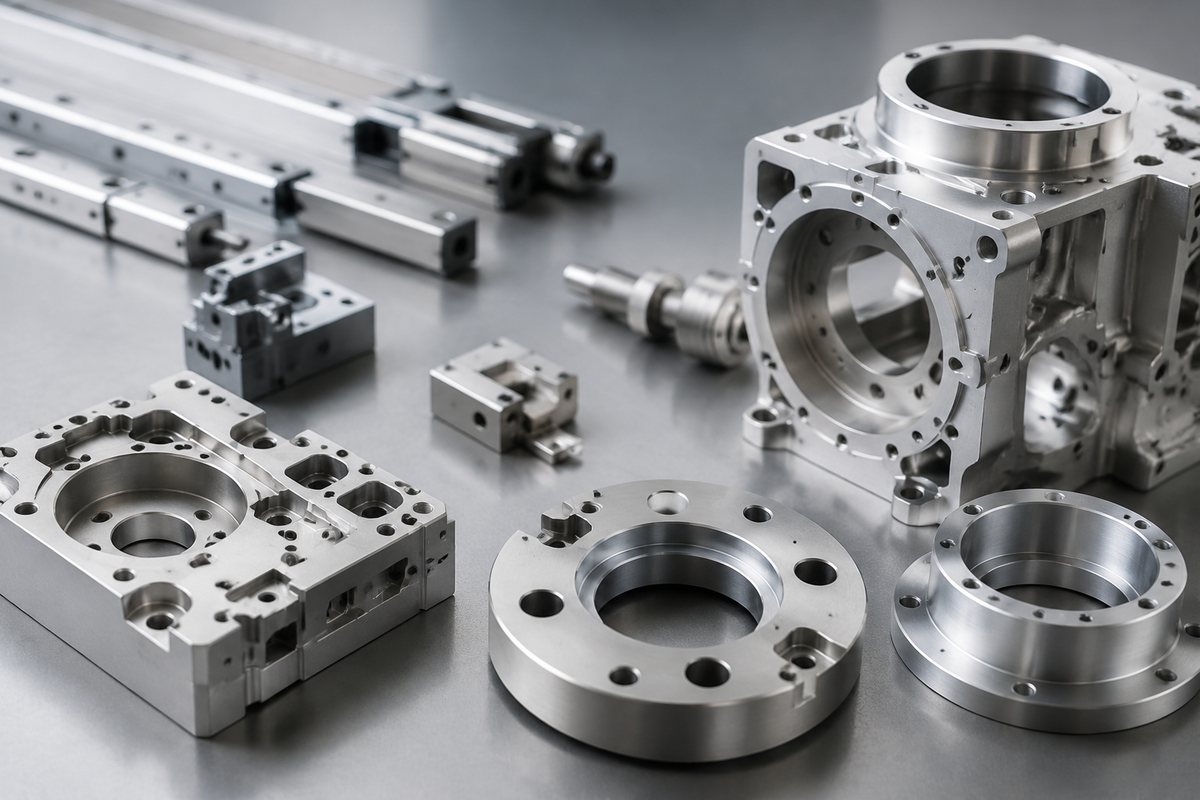


Aktie:
Optische Präzisionsfertigungsdienstleistungen für kundenspezifische optomechanische Teile
CNC-Präzisions-Mikrooptiken: Gefertigte Komponenten für miniaturisierte optische Systeme