


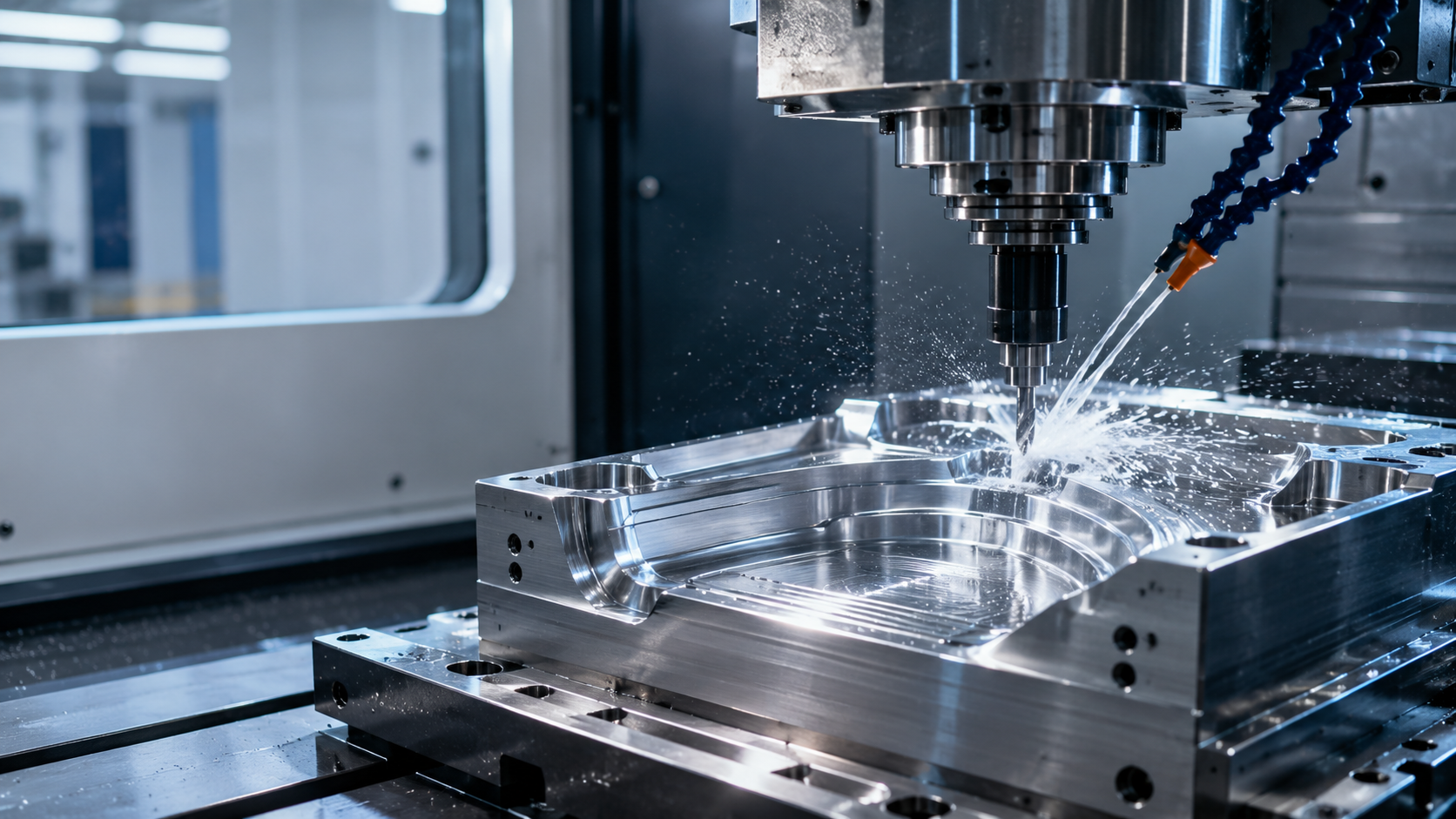
Edelstahl wird oft gewählt, wenn ein Teil Korrosionsbeständigkeit, mechanische Festigkeit, Haltbarkeit oder eine saubere Oberflächenleistung benötigt. Er wird häufig in medizinischen Geräten, Lebensmittelverarbeitungsanlagen, Automatisierungssystemen, Luft- und Raumfahrtkomponenten, Marinehardware und Industriemaschinen verwendet.
Aber bei der CNC-Bearbeitung von Edelstahl geht es nicht nur darum, ein starkes Material in Form zu schneiden. In der realen Produktion kann Edelstahl anspruchsvoller sein als Aluminium, Messing oder Weichstahl. Kaltverfestigung, Wärmestau, Werkzeugverschleiß, Gratbildung, Oberflächenkratzer und Verformung dünner Wände können die Maßgenauigkeit, die Oberflächengüte, die Lieferzeit und die Endkosten beeinflussen.
Für Ingenieure und Beschaffungsteams ist die Schlüsselfrage nicht einfach, ob Edelstahl bearbeitet werden kann. Die wichtigere Frage ist, wie das Teil konsistent bearbeitet, korrekt inspiziert und mit der erforderlichen Leistung im realen Einsatz geliefert werden kann.

Warum die CNC-Bearbeitung von Edelstahl eine stärkere Prozesskontrolle erfordert
Aus fertigungstechnischer Sicht ist Edelstahl ein anspruchsvolles Material, da es stark, zäh und beim Schneiden weniger fehlerverzeihend ist. Wenn der Bearbeitungsprozess nicht richtig kontrolliert wird, kann das Teil auf den ersten Blick noch akzeptabel aussehen, aber versteckte Probleme können während der Montage, Prüfung oder des Langzeitbetriebs auftreten.
Eine häufige Herausforderung ist die Kaltverfestigung. Beim Schneiden können einige Edelstahlsorten an der Oberfläche härter werden, wenn das Werkzeug, die Vorschubgeschwindigkeit oder die Schneidstrategie nicht geeignet sind. Dies kann den Werkzeugverschleiß erhöhen, die Oberflächenqualität mindern und die Aufrechterhaltung stabiler Abmessungen über mehrere Teile hinweg erschweren.
Wärmestau ist ein weiteres wichtiges Problem. Edelstahl gibt Wärme nicht immer so effizient ab wie einige leichter zu bearbeitende Materialien. Übermäßige Hitze kann die Werkzeuglebensdauer verkürzen, die Oberflächengüte beeinträchtigen und Maßabweichungen verursachen, insbesondere bei Merkmalen mit engen Toleranzen oder dünnen Abschnitten.
Auch die Gratkontrolle ist wichtig. Edelstahlteile werden oft in Baugruppen verwendet, bei denen saubere Kanten, Dichtflächen oder glatte Kontaktbereiche erforderlich sind. Grate um Löcher, Schlitze, Gewinde und scharfe Übergänge können die Montage, Sicherheit, Sauberkeit und das Aussehen beeinträchtigen.
Oberflächenkratzer sind ein weiteres praktisches Problem. Viele Edelstahlteile sind sichtbare Komponenten oder Teile, die in medizinischen, Lebensmittel- oder Laborgeräten verwendet werden. In diesen Anwendungen ist die Oberflächenqualität nicht nur eine kosmetische Anforderung. Sie kann auch die Reinigung, Korrosionsbeständigkeit und Kundenakzeptanz beeinflussen.
Bei dünnwandigen oder komplexen Edelstahlteilen kann Verformung ein großes Risiko darstellen. Spannkraft, Schnittkraft, Bearbeitungssequenz und Entspannung von Restspannungen können die Endgeometrie beeinflussen. Ein Merkmal, das beim Grobbearbeiten stabil erscheint, kann sich nach dem Materialabtrag oder nach dem Entspannen des Teils verschieben.
Kurz gesagt, die CNC-Bearbeitung von Edelstahl erfordert mehr als nur Maschinenkapazität. Sie erfordert Prozessplanung, Werkzeugauswahl, Spannstrategie, Kühlkontrolle, Entgratmethoden und Inspektionsplanung.
Gängige Edelstahlsorten für CNC-bearbeitete Teile
Die Materialauswahl sollte nicht als generische Materialkatalogübung behandelt werden. Die richtige Edelstahlsorte hängt von Korrosionsbeständigkeit, Festigkeit, Bearbeitbarkeit, Kosten, Anforderungen an die Oberflächengüte und der endgültigen Anwendung des Teils ab.
| Edelstahlsorte | Geeignete Anwendungen | Bearbeitungshinweise |
|---|---|---|
| 303 Edelstahl | Wellen, Armaturen, Stifte und stark bearbeitete Teile | Leichter zu bearbeiten als viele andere Edelstähle, aber geringere Korrosionsbeständigkeit als 304 |
| 304 Edelstahl | Allgemeine Industrieteile, Halterungen, Gehäuse, Vorrichtungen und Strukturbauteile | Gutes Gleichgewicht aus Korrosionsbeständigkeit, Festigkeit, Verfügbarkeit und Kosten |
| 316 / 316L Edelstahl | Medizinische, Marine-, Chemie-, Labor- und Lebensmittelbezogene Teile | Bessere Korrosionsbeständigkeit als 304, aber im Allgemeinen schwieriger und kostspieliger zu bearbeiten |
| 17-4 PH Edelstahl | Luft- und Raumfahrt, hochfeste mechanische Teile, Präzisionsarmaturen | Bietet hohe Festigkeit und Wärmebehandlungsfähigkeit |
| 410 / 420 Edelstahl | Verschleißfeste Teile, mechanische Komponenten, werkzeugbezogene Teile | Kann gehärtet werden, aber Korrosionsbeständigkeit ist geringer als bei Edelstählen der 300er-Serie |
Praktisch gesehen ist Edelstahl 304 oft eine gute Wahl für allgemeine bearbeitete Teile. 316 oder 316L können bevorzugt werden, wenn Korrosionsbeständigkeit, chemische Exposition oder Reinigungsleistung wichtiger sind. 303 kann in Betracht gezogen werden, wenn Bearbeitbarkeit und Kostenkontrolle wichtiger sind als maximale Korrosionsbeständigkeit. Für hochfeste oder verschleißbezogene Anwendungen können 17-4 PH, 410 oder 420 basierend auf der Funktion des Teils bewertet werden.
Die beste Wahl sollte direkt davon abhängen, wie das Teil verwendet wird, nicht nur von einem Materialnamen auf der Zeichnung.
CNC-Fräsen, Drehen und 5-Achsen-Bearbeitung für Edelstahlteile
Edelstahlteile können durch verschiedene CNC-Bearbeitungsprozesse hergestellt werden, abhängig von der Geometrie und den Toleranzanforderungen.
CNC-Fräsen wird häufig für Halterungen, Platten, Gehäuse, Montageblöcke, Vorrichtungen, Schlitze, Taschen und komplexe prismatische Teile verwendet. Beim Fräsen von Edelstahl sind Werkzeugwegstrategie, Spanabfuhr, Kühlmittelverwendung und Schnittparameter wichtig, da das Material Wärme und Werkzeugverschleiß schneller erzeugen kann als weichere Metalle.
CNC-Drehen eignet sich für Wellen, Stifte, Buchsen, Distanzstücke, Gewindeteile, Ventilkomponenten und zylindrische Armaturen. Bei gedrehten Edelstahlteilen sind Rundheit, Oberflächengüte, Nutqualität, Gewindegenauigkeit und Gratkontrolle oft wichtige Prüfpunkte.
Für komplexe Teile mit mehreren abgewinkelten Merkmalen, sich kreuzenden Löchern, engen Bezugsverbindungen oder schwer zugänglichen Bereichen kann die 5-Achsen-CNC-Bearbeitung dazu beitragen, mehrere Einrichtvorgänge zu reduzieren und die Merkmalsausrichtung zu verbessern. Dies kann besonders nützlich sein, wenn das Teil kritische Oberflächen aufweist, die relativ zueinander konsistent bleiben müssen.
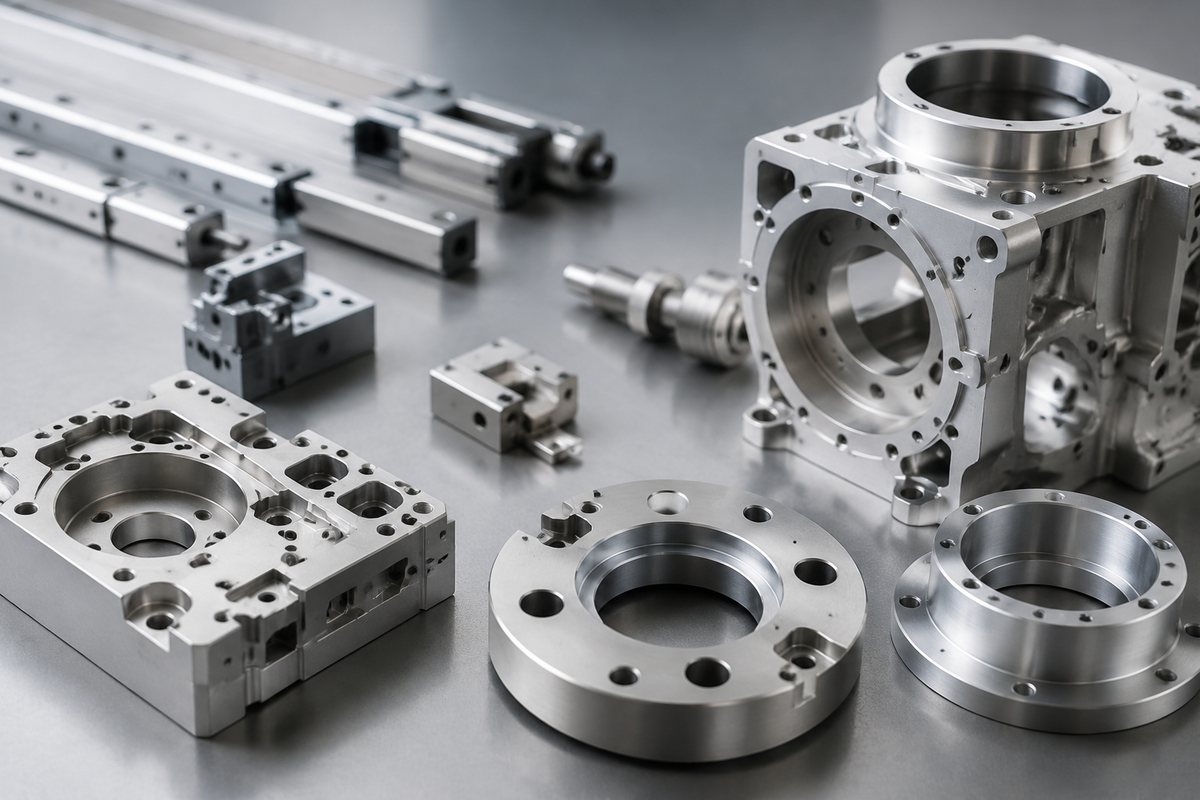
In vielen realen Projekten werden Edelstahlkomponenten nicht nur durch einen Prozess hergestellt. Ein Teil kann Fräsen, Drehen, Bohren, Gewindeschneiden, Reiben, Entgraten, Polieren, Passivieren und eine Endkontrolle erfordern, bevor es versandfertig ist.
Konstruktionsmerkmale, die die Kosten der Edelstahlbearbeitung beeinflussen
Die Kosten der CNC-Bearbeitung von Edelstahl werden nicht allein durch die Materialsorte bestimmt. Die Teilegeometrie hat oft einen noch größeren Einfluss auf Bearbeitungszeit, Werkzeugverbrauch, Inspektionszeit und Produktionsrisiko.
Tiefe kleine Löcher, enge Schlitze, scharfe Innenkanten, lange dünne Wände, Merkmale mit hohem Seitenverhältnis und enge Toleranzangaben können die Bearbeitungsschwierigkeit erhöhen. Wenn diese Merkmale funktional notwendig sind, können sie mit der richtigen Prozessplanung hergestellt werden. Wenn sie jedoch für die Funktion des Teils nicht erforderlich sind, kann eine Anpassung des Designs die Kosten senken und die Herstellbarkeit verbessern.
Der Innenradius ist ein häufiges Beispiel. Sehr kleine Innenradien erfordern möglicherweise kleinere Werkzeuge, langsameres Schneiden und längere Bearbeitungszeiten. Wenn das Design einen größeren Radius zulässt, kann das Teil einfacher und stabiler zu bearbeiten sein.
Die Toleranzstrategie ist ebenfalls wichtig. Das Anwenden enger Toleranzen auf jedes Merkmal kann die Kosten erhöhen, ohne die tatsächliche Leistung zu verbessern. Ein besserer Ansatz ist es, kritische Abmessungen basierend auf Montage-, Dichtungs-, Ausrichtungs- oder Bewegungsanforderungen zu definieren, während nicht-kritische Merkmale mit angemessenen allgemeinen Toleranzen belassen werden.
Die Anforderungen an die Oberflächengüte sollten ebenfalls klar getrennt werden. Eine funktionelle Dichtfläche, eine sichtbare kosmetische Oberfläche und eine innere nicht sichtbare Oberfläche benötigen nicht immer die gleiche Güte. Das frühzeitige Erkennen dieser Bereiche kann dem Hersteller helfen, einen besseren Bearbeitungs- und Veredelungsplan zu wählen.
Toleranz, Oberflächengüte und Inspektion für Edelstahlteile
Bei CNC-bearbeiteten Edelstahlteilen hängt die Toleranzfähigkeit von der Teilegröße, Geometrie, Materialsorte, Wandstärke, Bearbeitungssequenz, den Endbearbeitungsanforderungen und der Inspektionsmethode ab.

Ein kleiner gedrehter Stift, ein dicker Montageblock und ein dünnes Edelstahlgehäuse verhalten sich während der Bearbeitung nicht gleich. Auch wenn sie dieselbe Materialsorte verwenden, kann der Prozesskontrollplan unterschiedlich sein.
Kritische Abmessungen sollten zusammen mit der Zeichnungsbezugsstruktur und der Endanwendung überprüft werden. Zum Beispiel kann die Lochposition in einem Teil wichtiger sein als das gesamte Außenprofil, während Ebenheit, Parallelität oder Oberflächenrauheit in einem anderen Teil wichtiger sein können.
Gängige Inspektionspunkte für CNC-Edelstahlteile umfassen Maßgenauigkeit, Lochposition, Gewindequalität, Ebenheit, Rundheit, Oberflächenrauheit, Gratfreiheit und kosmetisches Erscheinungsbild. Je nach Projekt kann die Inspektion Messschieber, Mikrometer, Höhenmessgeräte, Gewindelehren, CMM-Messungen, Oberflächenrauheitsprüfungen oder Erstmusterprüfberichte umfassen.
Bei Teilen, die in medizinischen Geräten, Lebensmittelausrüstungen, optischen Baugruppen, Automatisierungssystemen oder luft- und raumfahrtbezogenen Anwendungen verwendet werden, sollte die Inspektionsplanung frühzeitig besprochen werden. Dies trägt dazu bei, dass das Endteil nicht nur maßhaltig bearbeitet wird, sondern auch für die Montage und die realen Betriebsbedingungen geeignet ist.
Oberflächenveredelungsoptionen für CNC-Edelstahlteile
Die Oberflächenveredelung von Edelstahlteilen sollte nicht nur als letzter kosmetischer Schritt betrachtet werden. Die Oberfläche kann die Korrosionsbeständigkeit, Sauberkeit, das Aussehen, die Maßgenauigkeit und die Kundenakzeptanz beeinflussen.
| Oberflächenveredelung | Hauptzweck | Typische Anwendungen |
|---|---|---|
| Wie bearbeitet | Funktionale Oberfläche mit schnellerer Lieferung und geringeren Kosten | Interne mechanische Teile, Prototypen, Vorrichtungen |
| Glasperlenstrahlen | Gleichmäßiges mattes Aussehen | Sichtbare Gehäuse, Halterungen, Industriekomponenten |
| Polieren | Glatte und helle Oberfläche | Medizinische Teile, Lebensmittelgeräte, Kosmetikkomponenten |
| Passivieren | Verbesserte Korrosionsbeständigkeit durch Entfernen von Oberflächenverunreinigungen | Medizinische, Marine-, Chemie- und Lebensmittelbezogene Teile |
| Elektropolieren | Verbesserte Glätte, Sauberkeit und Korrosionsleistung | Sanitärteile, medizinische Komponenten, Laborgeräte |
Die beste Oberfläche hängt von der Funktion des Teils ab. Ein verstecktes mechanisches Distanzstück benötigt möglicherweise nur eine bearbeitete Oberfläche, während eine medizinische Edelstahlkomponente glatte Kanten, eine kontrollierte Oberflächenrauheit und Passivierung erfordern kann. Eine Lebensmittelverarbeitungskomponente benötigt möglicherweise eine Oberfläche, die leichter zu reinigen ist, während ein exponiertes Industriegehäuse ein gleichmäßiges gebürstetes oder gestrahltes Aussehen benötigt.
Wenn die Endbearbeitungsanforderungen im Angebotsstadium klar sind, kann der Bearbeitungsprozess effektiver geplant werden.
CNC-Bearbeitung von Edelstahl für verschiedene Anwendungen
CNC-bearbeitete Edelstahlteile werden in vielen Branchen eingesetzt, aber verschiedene Anwendungen haben unterschiedliche Prioritäten.
In medizinischen Geräten erfordern Edelstahlteile oft saubere Kanten, kontrollierte Grate, glatte Oberflächen und eine zuverlässige Inspektion. Komponenten wie chirurgische Werkzeugteile, endoskopbezogene Teile, Edelstahlgehäuse und Präzisionsverbinder benötigen möglicherweise sowohl Maßgenauigkeit als auch Oberflächensauberkeit.
In Lebensmittelverarbeitungsanlagen sind Korrosionsbeständigkeit und Reinigbarkeit in der Regel wichtiger. Teile wie Sanitärarmaturen, Ventilkomponenten, Pumpenteile und Montageteile erfordern oft glatte Oberflächen und eine geeignete Endbearbeitung.
In der Automatisierungstechnik benötigen Edelstahlwellen, Halterungen, Montageplatten, Sensorhalterungen und kundenspezifische Vorrichtungen stabile Abmessungen für eine wiederholbare Montage. Der Fokus liegt oft auf Lochposition, Gewindequalität, Ebenheit und Langzeitbeständigkeit.
In der Luft- und Raumfahrt sowie in hochleistungsfähigen mechanischen Systemen können Edelstahlteile hohe Festigkeit, Rückverfolgbarkeit, zuverlässige Inspektion und konsistente Bearbeitungsqualität erfordern. Halterungen, Armaturen, Strukturbauteile und Präzisionsmechanikteile erfordern oft eine sorgfältige Überprüfung von Toleranzen und Materialanforderungen.
In der Marine- und Chemieausrüstung ist die Korrosionsbeständigkeit in der Regel der Hauptgrund für die Wahl von Edelstahl. Verbinder, Dichtungsteile, Gehäuse und fluidbezogene Komponenten können sowohl eine korrekte Materialauswahl als auch eine geeignete Oberflächenbehandlung erfordern.
Ein guter Lieferant für die Edelstahlbearbeitung sollte nicht nur verstehen, wie das Material bearbeitet wird, sondern auch, warum das Teil in einer bestimmten Umgebung verwendet wird.

Wie man die Kosten für CNC-bearbeitete Edelstahlteile reduziert
Die Kostenkontrolle sollte vor der Produktion beginnen, nicht nachdem das Angebot bereits festgelegt wurde. Viele Kosten für die Edelstahlbearbeitung entstehen durch Designentscheidungen, Materialauswahl, Toleranzanforderungen und Endbearbeitungserwartungen.
Eine effektive Möglichkeit zur Kostensenkung besteht darin, unnötige Überspezifikationen zu vermeiden. Wenn Edelstahl 304 die funktionalen Anforderungen erfüllen kann, kann die Verwendung von 316 die Kosten erhöhen, ohne einen echten Mehrwert zu schaffen. Wenn nur wenige Merkmale kritisch sind, ist es besser, diese Abmessungen klar zu kennzeichnen, anstatt enge Toleranzen auf die gesamte Zeichnung anzuwenden.
Designänderungen können ebenfalls einen Unterschied machen. Eine Vergrößerung der Innenradien, die Vermeidung unnötig tiefer kleiner Löcher, die Reduzierung langer dünnwandiger Abschnitte und die Vereinfachung nicht-kritischer Merkmale können die Bearbeitbarkeit verbessern und die Bearbeitungszeit verkürzen.
Die Oberflächengüte sollte sorgfältig definiert werden. Nicht jede Oberfläche benötigt Polieren, Glasperlenstrahlen oder Passivierung. Die Trennung funktionaler Oberflächen von kosmetischen Oberflächen kann dem Hersteller helfen, einen kostengünstigeren Prozess zu wählen.
Für Produktionsmengen können stabile Spannvorrichtungen und konsistente Bearbeitungssequenzen die Rüstzeiten reduzieren und die Wiederholgenauigkeit verbessern. Wenn das Teil von der Prototypenphase zur Serienproduktion übergehen soll, ist es hilfreich, die Herstellbarkeit frühzeitig zu besprechen, damit der Prozess für eine wiederholbare Produktion und nicht nur für ein erfolgreiches Muster ausgelegt werden kann.
Was Sie für ein Angebot zur CNC-Bearbeitung von Edelstahl angeben müssen
Ein klares Anfragepaket hilft dem Hersteller, das Teil schneller zu überprüfen und ein genaueres Angebot zu erstellen.
Für CNC-bearbeitete Edelstahlteile ist es am besten, eine 2D-Zeichnung, eine 3D-CAD-Datei, die Materialsorte, die Menge, die Anforderungen an die Oberflächengüte, kritische Toleranzen, den Anwendungsbereich und die Inspektionsanforderungen anzugeben.
Die 2D-Zeichnung hilft bei der Bestätigung von Toleranzen, Gewinden, Bezugsstrukturen, Oberflächenrauheit und speziellen Hinweisen. Das 3D-Modell hilft bei der Bewertung der Geometrie, des Bearbeitungszugangs und der Prozessplanung. Die Materialsorte beeinflusst die Bearbeitbarkeit, Korrosionsbeständigkeit und Kosten. Die Menge hilft bei der Entscheidung, ob der Prozess für die Prototypenproduktion, die Kleinserienproduktion oder die Großserienfertigung optimiert werden sollte.
Wenn es kritische Abmessungen, Dichtflächen, kosmetische Bereiche oder montagebezogene Merkmale gibt, sollten diese klar gekennzeichnet sein. Dies ermöglicht es dem Bearbeitungsteam, sich auf die Merkmale zu konzentrieren, die für die Funktion des Teils am wichtigsten sind.
Von der Zeichnungsprüfung zur Präzisionsfertigung von Edelstahl
Bei XY-GLOBAL wird die CNC-Bearbeitung von Edelstahl nicht als einfacher Materialabtragsprozess behandelt. Jedes Projekt beginnt mit einer Überprüfung der Materialsorte, der Teilegeometrie, der Toleranzanforderungen, der Oberflächengüte, der Bearbeitungsrisiken und der Inspektionsanforderungen.
Für kundenspezifische Edelstahlteile kann unser Team CNC-Fräsen, CNC-Drehen, 5-Achsen-Bearbeitung, Prototypenfertigung, Kleinserienfertigung, Koordination der Oberflächenveredelung und Maßprüfung unterstützen. Wir achten besonders auf Gratkontrolle, Verformungsrisiko, Oberflächenqualität und die Konsistenz kritischer Merkmale.
Wenn Sie Edelstahlteile entwickeln, die enge Toleranzen, saubere Kanten, Korrosionsbeständigkeit oder eine kontrollierte Oberflächengüte erfordern, können Sie uns Ihre 2D-Zeichnungen und 3D-CAD-Dateien zusenden. Unser Team kann das Material, die Bearbeitungsrisiken, die Endbearbeitungsanforderungen und die Inspektionspunkte vor der Produktion überprüfen.
FAQ
Können Sie sowohl Prototypen als auch Serienteile aus Edelstahl bearbeiten?
Ja. Edelstahlteile können für Prototypen, Kleinserien und Serienaufträge bearbeitet werden. Bei Prototypenprojekten liegt der Schwerpunkt in der Regel auf der Designvalidierung und schnellem Feedback. Bei Serienaufträgen werden Prozessstabilität, Inspektionskonsistenz und Wiederholbarkeit wichtiger.
Welche Dateien werden für ein Angebot zur CNC-Bearbeitung von Edelstahl benötigt?
Eine 2D-Zeichnung und eine 3D-CAD-Datei werden empfohlen. Die Zeichnung sollte Materialsorte, Toleranzen, Gewinde, Oberflächengüte, Menge und alle Inspektionsanforderungen enthalten. Wenn das Teil kosmetische Oberflächen, Dichtungsbereiche oder kritische Montageelemente aufweist, sollten diese ebenfalls klar gekennzeichnet sein.
Können Edelstahlteile nach der CNC-Bearbeitung passiviert werden?
Ja. Passivierung wird häufig nach der CNC-Bearbeitung von Edelstahl eingesetzt, um die Korrosionsbeständigkeit durch Entfernen von Oberflächenverunreinigungen zu verbessern. Sie wird oft für medizinische, Marine-, Chemie-, Lebensmittel- und Laborkomponenten verwendet.
Wie inspizieren Sie Edelstahlteile mit engen Toleranzen?
Die Inspektion hängt von der Zeichnung und der Anwendung ab. Gängige Methoden umfassen Messschieber, Mikrometer, Gewindelehren, Höhenmessgeräte, CMM-Messungen, Oberflächenrauheitsprüfungen und Erstmusterprüfberichte. Kritische Abmessungen sollten vor der Produktion klar definiert werden.
Wie kann ich die Kosten für CNC-bearbeitete Edelstahlteile senken?
Sie können die Kosten senken, indem Sie die richtige Edelstahlsorte wählen, unnötig enge Toleranzen vermeiden, Innenradien wo möglich vergrößern, nicht-kritische Merkmale vereinfachen, funktionale und kosmetische Oberflächen klar trennen und vollständige Zeichnungen im Angebotsstadium bereitstellen.


Aktie:
Optische Baugruppen: Präzisionsfertigung für Hochleistungs-Optiksysteme
Kundenspezifische CNC-gefertigte Endoskopkomponenten für Baugruppen medizinischer Geräte